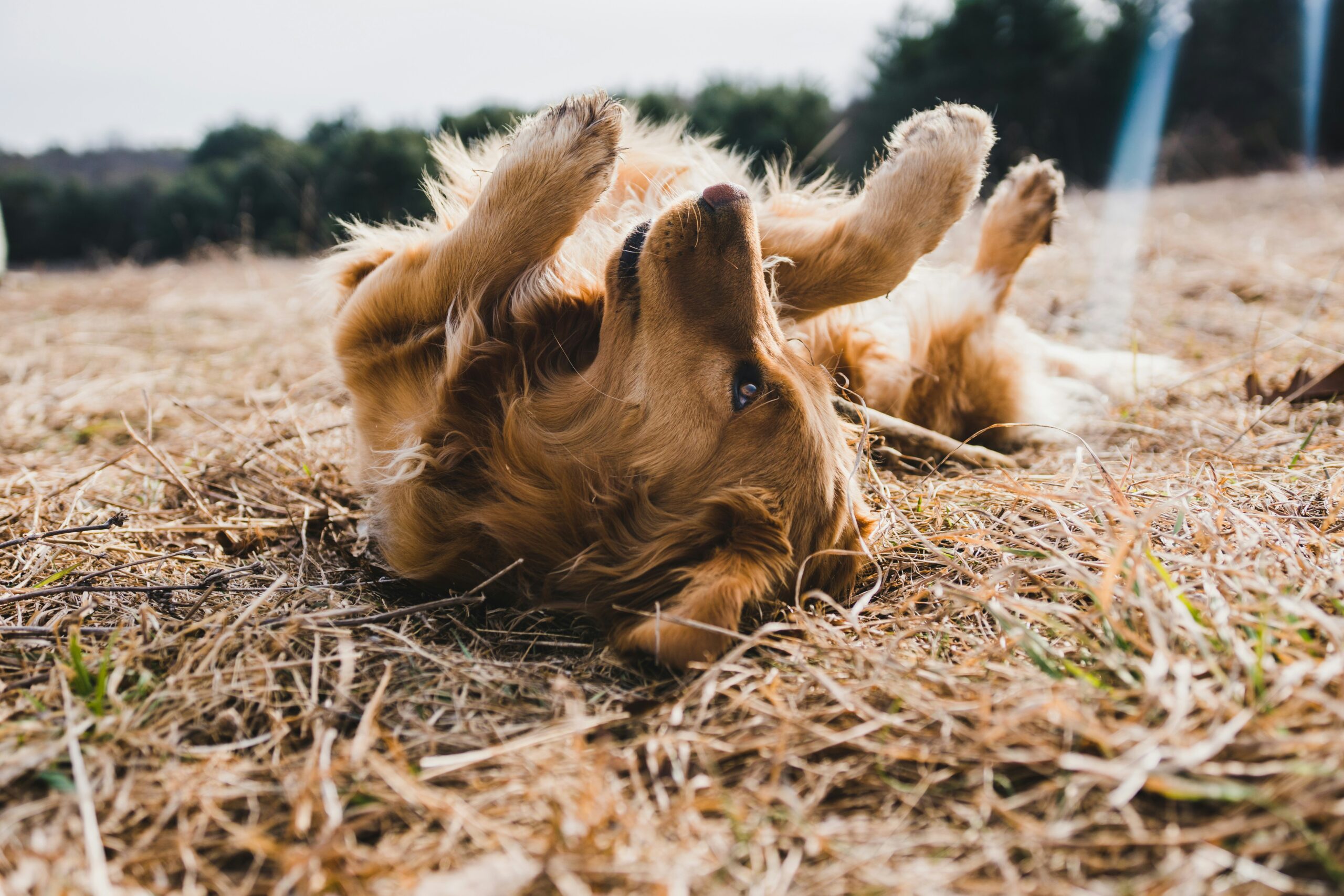
Astaxanthin for animals is an attractive option for brands looking to develop a supplement offering antioxidant support. Astaxanthin 2.5% is a natural source of astaxanthin derived from microalgae. The ingredient can be used in various product concepts for dogs, cats, and horses.
But what exactly is astaxanthin? And for which private-label supplements is it a compelling option? We outline the key applications and research findings.
Astaxanthin belongs to the carotenoids. These are natural pigments found in plants and algae, among other sources. Astaxanthin 2.5% is derived from microalgae and acts directly as an antioxidant.
Reactive oxygen species are produced during normal metabolism. When the body produces more of these than the antioxidant system can handle, oxidative stress occurs.
Astaxanthin is fat-soluble. As a result, it can reside in lipid-rich structures, such as cell membranes, where it can act directly as an antioxidant.
In short: astaxanthin is a natural ingredient of interest for supplements aimed at antioxidant support.
Research on astaxanthin in dogs is available. Consequently, various applications within private-label concepts are possible.
Murai et al. (2019) investigated astaxanthin supplementation in healthy and obese dogs. Improvements in various antioxidant and metabolic parameters were observed. The literature review in the submitted dossier assesses the evidence for improved antioxidant status and reduced oxidative stress as strong, based on multiple controlled studies.
This makes astaxanthin interesting for concepts centered on healthy aging, vitality, and antioxidant support. For instance, it can be incorporated into soft chews or powders.
In addition to antioxidant support, the available literature includes research on other applications.
In dogs and cats, for example, astaxanthin has been investigated in relation to the immune response. In studies cited in the provided literature review, supplementation was associated with changes in various components of the immune system, including the activity of certain immune cells and antibodies.
Metabolism has also been investigated. Studies involving, among others, obese dogs report changes in metabolic parameters. Consequently, astaxanthin could conceptually fit into the category of supplements supporting metabolic health, weight management, and healthy aging.
The exact positioning and communication must always be aligned with the complete formulation and applicable regulations.
Astaxanthin can also be used as a supplementary antioxidant ingredient within a broader joint health concept.
A multicenter, double-blind, placebo-controlled study from 2025 investigated a combination product in dogs with osteoarthritis. In addition to astaxanthin, this product contained omega-3 fatty acids, eggshell membrane, hyaluronic acid, and Boswellia. The dogs’ mobility improved.
It is important to note that this result cannot be specifically attributed to astaxanthin, as multiple active ingredients were used simultaneously.
Astaxanthin therefore does not need to be the central ingredient of a joint formula. However, it can serve as an interesting addition within a broader approach to mobility and antioxidant support.
Research is also available regarding horses. A 2024 study by Giercuszkiewicz-Hecold et al. investigated long-term astaxanthin supplementation in Arabian racehorses.
In this preliminary study, natural astaxanthin improved antioxidant capacity and reduced markers of oxidative stress. The provided overview also refers to research on ponies focusing similarly on antioxidant support.
This makes astaxanthin interesting for powders aimed at sport horses, physical exertion, and recovery.
The appropriate application of astaxanthin for animals depends on your target audience, the animal species, and the desired positioning. For dogs and cats, both soft chews and powders are options. For horses, a powder form is the logical choice.
At Nutriliq, we work with you every step of the way, from recipe to packaging. Together, we determine which ingredients, dosage, and product form best align with your brand and product range.
Contact Nutriliq or schedule an appointment directly to discuss your private label concept.
Please note: nutritional supplements are not medicines. Applications and communications must always be assessed based on the final composition, the animal species, and applicable regulations.
Astaxanthin acts directly as an antioxidant and helps protect against oxidative stress. Research is available on subjects including dogs, cats, and horses.
Astaxanthin can fit into concepts regarding antioxidant support, healthy aging, vitality, and physical exertion. The specific application varies by animal species and formula.
For dogs and cats, options include soft chews and powders. For horses, powder is a suitable product form.